
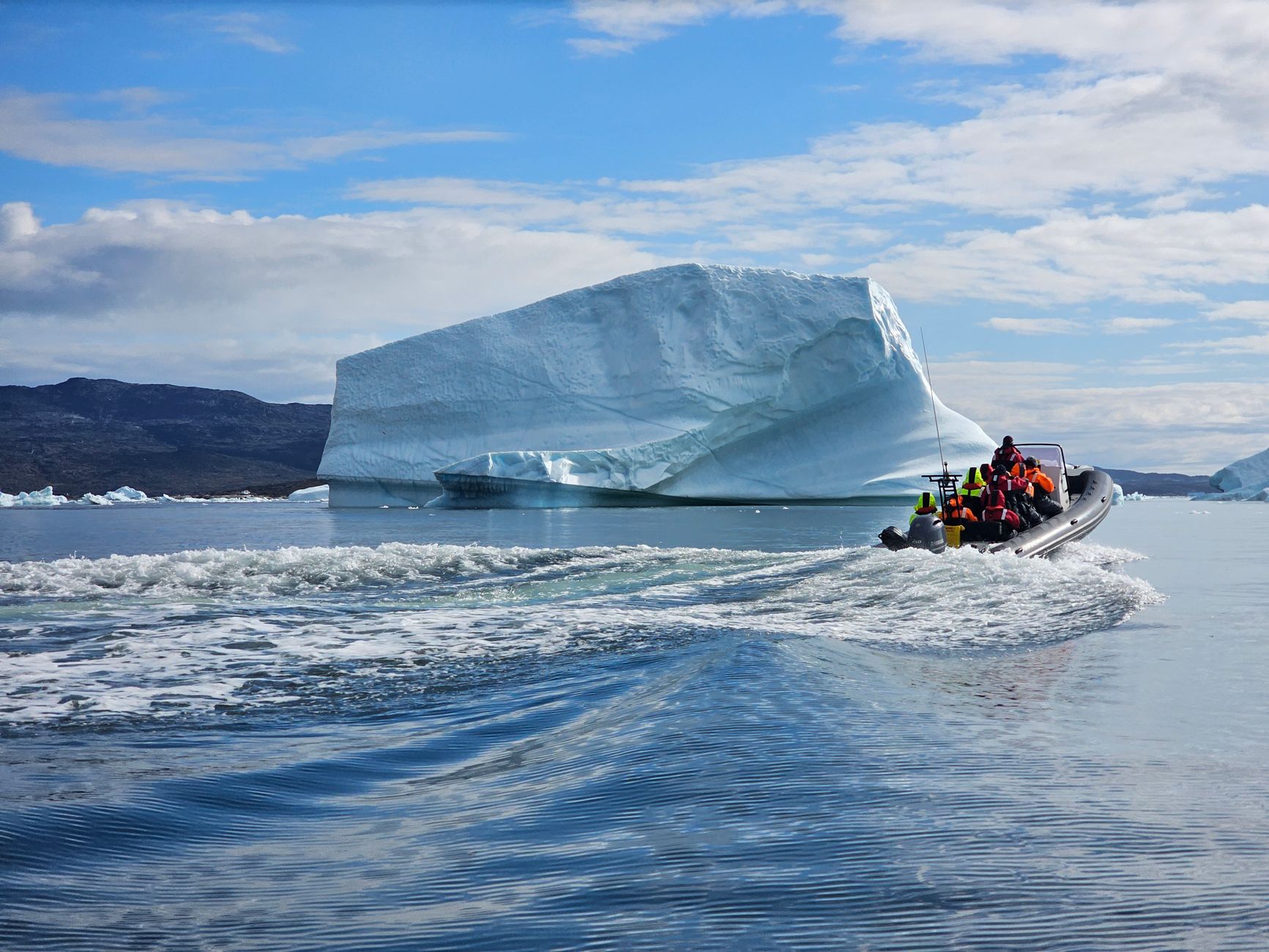
Greenland EU funding is receiving a significant boost from the European Union, which aims to support the region amidst ongoing political challenges, including annexation threats.
Understanding the EU’s Funding Initiative
In recent developments, Greenland has received a significant funding boost from the European Union, marking a pivotal moment for the territory’s economic prospects. The EU’s funding initiative is designed to support Greenland in various sectors, including sustainable development and climate change adaptation. This funding is particularly crucial in light of the geopolitical tensions surrounding the region, especially amid former President Trump’s annexation threats.
Greenland’s leaders have expressed gratitude for the EU’s commitment, highlighting the potential for growth that comes with this financial support. The funding will enable the territory to:
- Enhance infrastructure: Improving transport and communication networks.
- Promote sustainable practices: Investing in renewable energy projects.
- Boost local economies: Supporting small businesses and job creation.
By aligning with the EU’s goals, Greenland can leverage this partnership to ensure not only its economic stability but also its place on the global stage. The EU’s funding initiative represents a clear opportunity for growth, allowing Greenland to focus on long-term strategies that benefit both its residents and the environment.
Impact of Trump’s Annexation Threats
The recent threats of annexation by former President Donald Trump have cast a shadow over Greenland’s political landscape, prompting urgent conversations about sovereignty and economic stability. In light of these tensions, the new EU funding initiative serves as a crucial lifeline for Greenland, presenting an opportunity to solidify its autonomy and enhance its economy.
Greenland’s leaders have emphasized the need for increased support from the European Union, especially considering the unpredictable nature of international relations. The EU funding not only promises to bolster local projects but also aims to strengthen Greenland’s position on the global stage amidst geopolitical uncertainties.
Key impacts of the EU funding initiative include:
- Economic Development: Increased investment in infrastructure, renewable energy, and sustainable tourism.
- Strengthening Autonomy: Empowering Greenlanders to make independent decisions regarding their resources and governance.
- Enhanced International Relations: Building stronger ties with the EU and other nations, countering external pressures.
As Greenland navigates these challenges, the support from the EU could be pivotal in ensuring a stable and prosperous future, making the concept of Greenland EU funding a clear opportunity for growth.
Economic Benefits for Greenland
The recent announcement of increased Greenland EU funding presents significant economic benefits for the island, which has long sought greater autonomy and development opportunities. This funding boost is expected to enhance various sectors, including infrastructure, education, and sustainable energy initiatives.
Greenland’s government plans to allocate the funds strategically, focusing on key areas that promise the most substantial returns. Among these are:
- Infrastructure Development: Improved transportation networks, including roads and airports, can facilitate trade and tourism.
- Education and Training: Investment in education will equip the local workforce with skills necessary for modern industries, reducing unemployment rates.
- Sustainable Energy Projects: Funding for renewable energy sources aims to decrease dependency on imported fossil fuels, promoting environmental sustainability.
Moreover, the EU funding initiative is seen as a vital step toward strengthening Greenland’s economy and enhancing its global standing. With the potential to create jobs and stimulate local businesses, this influx of financial support could transform the socio-economic landscape of the island. As Greenland embraces this opportunity, the community remains optimistic about a prosperous future.
Political Implications of EU Support
The recent announcement of significant Greenland EU funding has sparked a wave of political discussions across the region. This financial support from the European Union is seen as a strategic move to solidify Greenland’s ties with Europe, especially in light of previous threats of annexation made by former President Donald Trump. The EU’s commitment to enhancing Greenland’s economy is not just about financial aid; it highlights a growing recognition of the island’s strategic importance in global politics.
As Greenland navigates its path toward greater autonomy, the influx of EU funding is expected to bolster its political standing. Many local leaders view this support as an opportunity to strengthen their negotiations for increased self-governance while fostering economic independence. Additionally, the EU’s involvement is likely to encourage more robust discussions regarding environmental protections and sustainable development in the Arctic region.
However, there are potential challenges as well. Some politicians worry that reliance on external funding could undermine Greenland’s autonomy. Balancing the benefits of EU support with the desire for self-determination will be crucial in the coming years, as the political landscape continues to evolve amidst global geopolitical tensions.
Community Reactions to Funding News
Reactions from the Greenlandic community have been largely positive following the announcement of significant EU funding aimed at supporting the territory’s development. Many residents view this financial boost as a vital opportunity for growth, particularly in light of recent geopolitical tensions.
Local leaders have expressed their enthusiasm, highlighting the potential for new projects that could enhance infrastructure and create jobs. “This funding is a game changer for us,” said one community leader. “It shows that we are not alone in our struggle for autonomy and development.”
Moreover, citizens have taken to social media to voice their support, with many sharing their hopes for the future. One resident remarked, “This funding from the EU could help us preserve our culture while also modernizing our economy.”
However, there are also concerns about how the funding will be allocated. Community forums have been organized to discuss the best uses for the financial resources, emphasizing the need for transparency and local input. “It’s our future at stake, and we want to ensure that the EU funding is used wisely,” a participant noted.
As Greenland embraces this opportunity, the hope is that the EU funding will foster lasting change for the community.
Future Prospects for Greenland
As Greenland looks towards its future, the recent EU funding boost presents significant opportunities for growth and development. With the support from the European Union, Greenland is poised to enhance its infrastructure, education, and healthcare systems, ultimately improving the quality of life for its residents.
The prospects of this funding are not limited to immediate financial aid; they also open doors for long-term strategic partnerships. By aligning with the EU’s sustainability goals, Greenland can leverage its natural resources in ways that promote environmental stewardship and economic resilience. The funding can facilitate projects aimed at renewable energy, fisheries management, and tourism development, which are vital to the territory’s economic diversification.
Moreover, the infusion of funds can stimulate local businesses and create job opportunities, which is essential for the young population. With a focus on innovation and technology, the EU funding can help Greenland develop a modern economy that integrates with global markets.
In summary, the Greenland EU funding boost holds transformative potential, paving the way for a brighter and more sustainable future for the territory and its people.
Conclusion: A New Era for Greenland
As Greenland stands on the brink of significant transformation, the recent EU funding boost symbolizes a new chapter in its journey towards greater autonomy and economic stability. The Greenland EU funding initiative not only addresses immediate financial needs but also fosters long-term development, enabling the territory to diversify its economy and enhance public services.
This funding represents a vital opportunity for the Greenlandic government to invest in critical infrastructure, education, and sustainable practices that can lead to a resilient future. The potential for growth in sectors such as renewable energy and tourism is immense, allowing Greenland to harness its natural resources responsibly while creating job opportunities for its residents.
Moreover, the support from the EU strengthens Greenland’s position on the global stage, offering a counterbalance to external political pressures, particularly those stemming from past threats of annexation. As communities rally around this newfound support, the optimism surrounding the funding initiative is palpable.
In conclusion, the Greenland EU funding not only catalyzes economic growth but also empowers its people, marking the beginning of a new era characterized by self-determination and opportunity. The future looks promising, as Greenland embraces this pivotal moment in its history.
The recent announcement regarding Greenland EU funding marks a significant turning point for the island’s economic landscape. With increased investment, Greenland EU funding can drive sustainable development and create new job opportunities for its residents.
Photo by Travid Vid Legradic on Pexels