
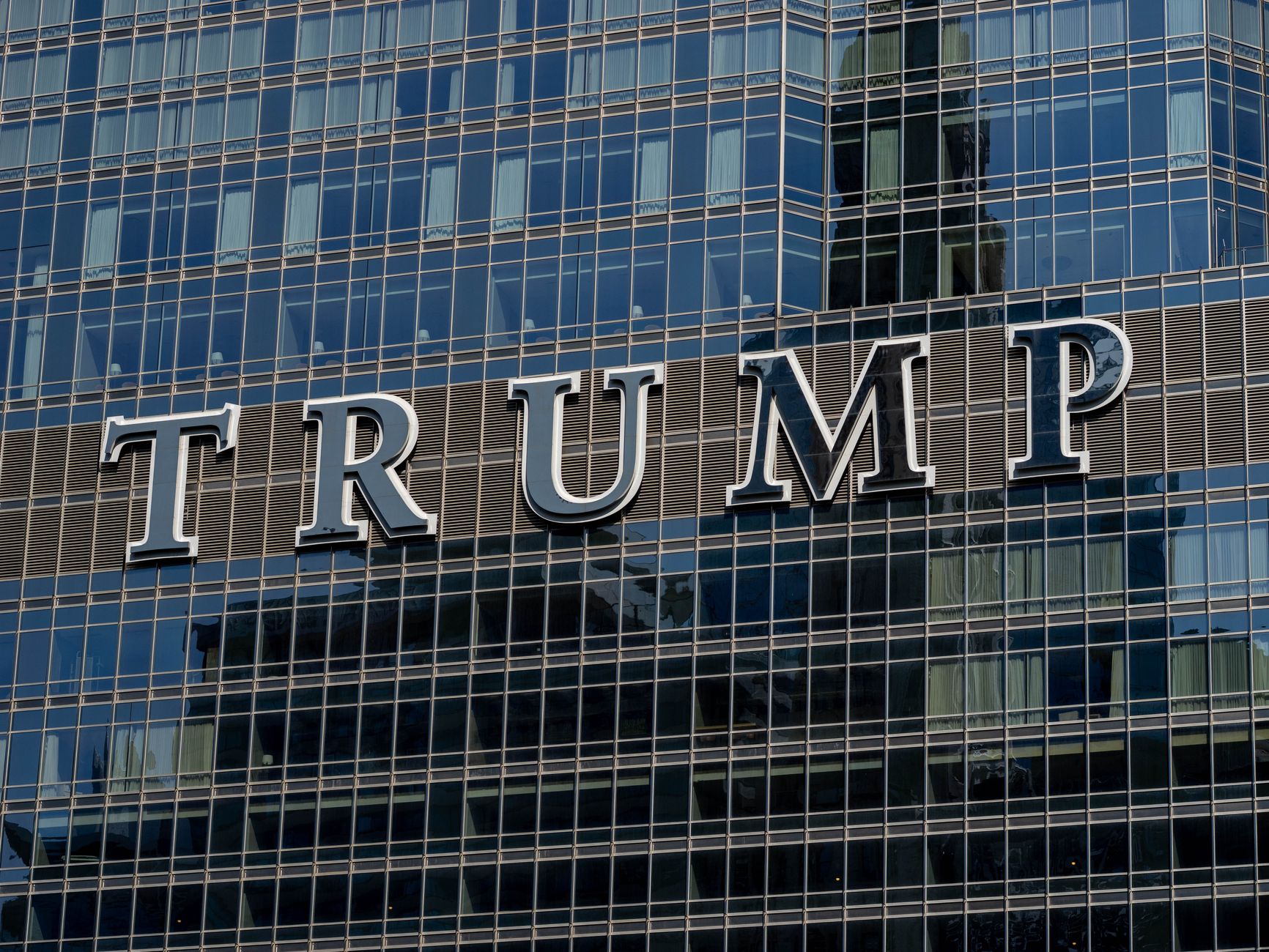
CFTC ban Trump mentions has sparked significant debate in financial circles. Kalshi’s CEO is pushing back against this controversial decision, highlighting its potential impact on the market.
What is the CFTC Ban on Trump Mentions?
The recent CFTC ban on Trump mentions has sparked significant controversy within the financial markets. The Commodity Futures Trading Commission (CFTC) imposed this ban to prevent potential market manipulation and to maintain the integrity of trading platforms. The decision came after concerns were raised about the influence of political figures on market behavior, particularly during volatile economic periods.
According to Kalshi’s CEO, the ban could inadvertently stifle open discourse and limit investors’ ability to express their views on political events that impact the market. Critics argue that such restrictions may hinder transparency and the natural functioning of a free market.
Supporters of the ban believe it is a necessary step to protect investors from misinformation and speculative trading driven by political rhetoric. As the debate continues, many are left wondering if the CFTC ban on Trump mentions is indeed the worst decision ever made in the realm of financial regulation.
Kalshi CEO’s Response to the CFTC
In response to the recent CFTC ban on Trump mentions in prediction markets, Kalshi CEO Tarek Mansour expressed his concerns regarding the implications for market integrity and free speech. He emphasized that the ban could stifle innovation and limit the ability of traders to engage in open discussions about significant political figures and events.
Mansour stated, “This decision by the CFTC appears to inhibit the natural flow of market information, which is essential for traders to make informed decisions.” He believes that the CFTC ban on Trump mentions undermines the purpose of prediction markets, which are designed to reflect public sentiment accurately.
Furthermore, he urged regulators to reconsider their approach, suggesting that instead of imposing restrictions, they should focus on fostering a more transparent and competitive environment for prediction markets.
As the debate continues, many industry experts are left questioning whether the CFTC’s actions are indeed the worst decision ever in the context of market regulation.
Implications for the Gambling Market
The recent CFTC ban on Trump mentions has sparked significant debate regarding its potential implications for the gambling market. Industry experts are concerned that this decision could stifle innovation and limit market opportunities. As political events increasingly drive market fluctuations, traders often rely on high-profile figures like Trump to gauge sentiment and make informed decisions.
With the ban in place, platforms that facilitate prediction markets may experience reduced participation, as bettors seek to avoid the restrictions imposed by the CFTC. This could lead to a decline in liquidity and a decrease in the overall appeal of these markets.
Furthermore, the decision may push traders towards less regulated platforms, raising questions about consumer protection and market integrity. As stakeholders assess the long-term effects, the gambling market may have to adapt to a landscape where political discussions are significantly curtailed, potentially altering the dynamics of how events are forecasted.
Historical Context of CFTC Regulations
The CFTC, or Commodity Futures Trading Commission, has a long history of regulating trading markets to ensure fairness and transparency. Established in 1974, the agency was created to protect market participants from fraud and manipulation. Over the years, the CFTC has implemented various regulations aimed at maintaining the integrity of futures and options trading.
In recent times, the CFTC has begun to focus on emerging markets, including prediction markets like those operated by Kalshi. These markets have gained traction for allowing users to speculate on future events, but they also pose unique challenges in regulatory oversight.
The recent CFTC ban on Trump mentions raises questions about the agency’s approach to content moderation and its implications for free speech. Critics argue that such a ban could stifle innovation and limit the growth of alternative betting markets. As the landscape evolves, the CFTC’s decisions will continue to play a pivotal role in shaping the future of these markets.
Public Reaction to the Ban
The public reaction to the CFTC ban on Trump mentions has been mixed, sparking a heated debate among market participants and political analysts alike. Many individuals express concern over the implications of such a ban, viewing it as an overreach by regulatory bodies. Critics argue that restricting discussions around prominent political figures could stifle free speech and hinder market dynamics.
Conversely, some supporters of the ban believe it is necessary to maintain a level playing field in the gambling market. They argue that political figures can unduly influence trading behaviors and that the CFTC’s intervention is a step towards fairness.
- Supporters: Advocate for fair trading practices and believe banning Trump mentions could prevent market manipulation.
- Opponents: View the ban as a threat to free speech and a potential misstep by the CFTC.
As discussions continue, the question remains: is the CFTC ban on Trump mentions the worst decision ever?
Future of Political Betting Markets
The future of political betting markets remains uncertain following the CFTC ban on Trump mentions. Industry experts are divided on whether this regulation will stifle innovation or push platforms to adapt and thrive under new constraints. As political events grow more tumultuous, the demand for betting on these occurrences is likely to increase, but operators must navigate the complexities of compliance.
Some market analysts believe that the ban could lead to the emergence of alternative platforms that offer similar betting opportunities without directly referencing controversial figures. Others argue that the CFTC’s decision may deter potential investors and participants, fearing regulatory repercussions.
Additionally, the future may see a rise in more generalized political betting, allowing users to wager on broader themes rather than specific candidates. This shift could open new avenues for engagement, but it remains to be seen how the market will evolve in light of the CFTC’s controversial stance.
The CFTC ban Trump mentions has sparked a heated debate among political analysts and financial experts alike. Many believe that the CFTC ban Trump mentions could have far-reaching implications for the upcoming elections.
Photo by Joshua Santos on Pexels